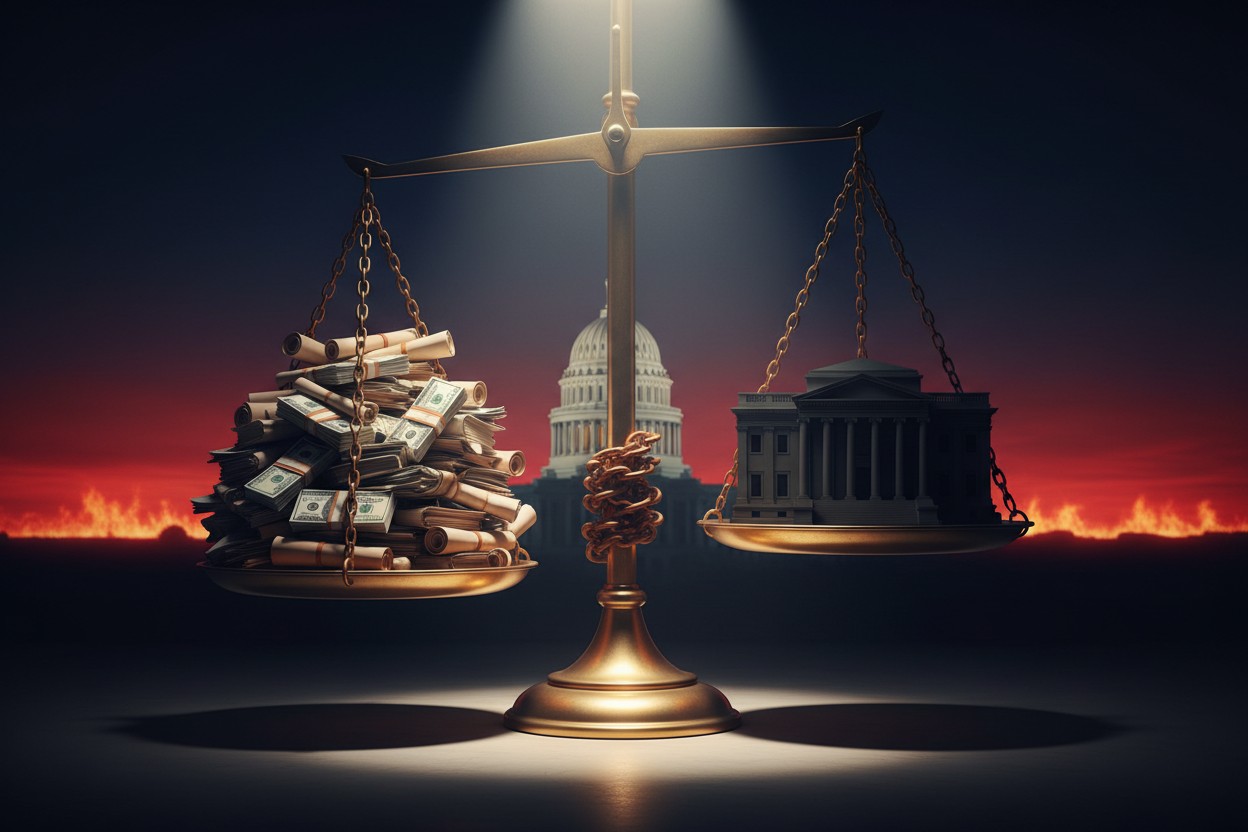
Trump Says He May Invoke Insurrection Act Around Midterms, Officials Say
10/03/2026 / By Douglas Harrington
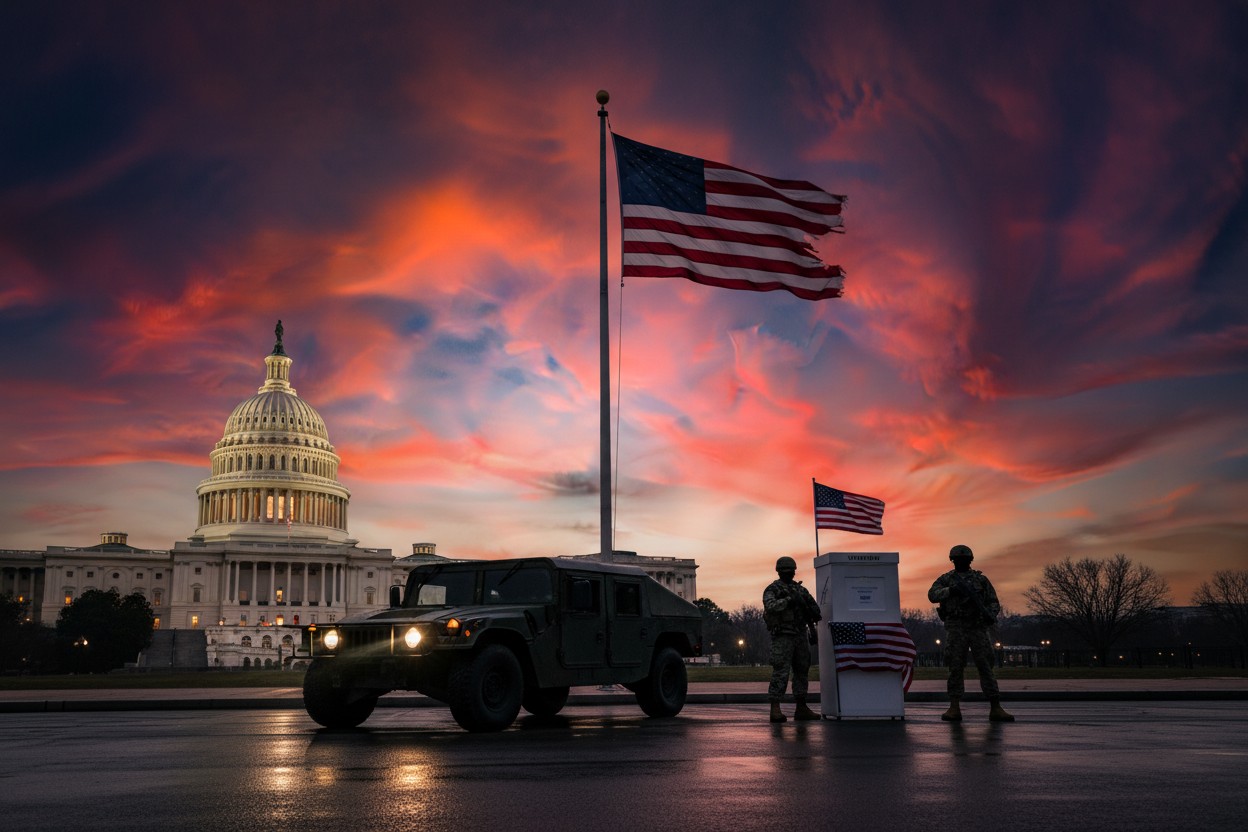
President Donald Trump said he may invoke the Insurrection Act in connection with the upcoming midterm elections, according to a report by The Hill. The remarks were made to reporters, officials said, without specifying a date or location.
The Insurrection Act of 1807 permits the president to deploy U.S. military forces domestically to suppress insurrection, domestic violence, unlawful combination, or conspiracy, according to the Congressional Research Service. No formal order has been issued, and the White House did not immediately respond to a request for comment, according to the report.
The statement comes as the administration has taken a series of federal actions around election security and domestic deployments in recent months. Trump has stated he is prepared to use the Insurrection Act of 1807 if courts or Democratic-led states obstruct federal efforts to restore order in cities like Portland and Chicago, according to a NaturalNews.com report [1].
What the Insurrection Act Allows
The Insurrection Act is a federal law that permits the president to deploy U.S. military forces domestically to suppress insurrection, domestic violence, unlawful combination, or conspiracy, according to the Congressional Research Service. The law requires the president to issue a proclamation ordering insurgents to disperse before deployment, unless immediate action is necessary, legal experts said.
It has been invoked in the past, including during the Civil Rights era, according to historical records. Previous presidents have invoked it during periods of civil unrest, as noted in a Health Ranger Report [2]. The act was passed by Congress, debated, voted on, and signed into law, allowing presidents since its inception, including Barack Obama and George H.W. Bush during the L.A. riots, to exercise this power [2].
Legal scholars have debated the scope of presidential authority under the act. The president’s emergency powers have historically faced congressional and judicial challenges, as documented in David Hubert’s book Attenuated Democracy, which notes that when a president declares an emergency, the National Emergencies Act provides a framework for congressional oversight [3].
Midterm Election Context and Security Concerns
The midterm elections are scheduled for Nov. 3, and officials have cited concerns about election security, protests, and potential civil unrest. Federal agencies have taken several actions in recent weeks related to election security.
War Secretary Hegseth signed an order assigning U.S. Cyber Command and the War Department’s combat support agencies to focus intelligence and cyber tools on foreign efforts to interfere in the 2026 midterm elections, according to a NaturalNews.com report [4]. The directive states that no troops are being ordered to polling places and the mission is to hunt foreign threats in the digital battlespace before they can reach America’s voting systems or manipulate American voters [4].
Additionally, the Department of Justice announced charges against 16 people across seven states alleging various election-related crimes, including unlawful voting by non-citizens in federal elections, according to a ZeroHedge report [5]. The DOJ said it will take “aggressive actions” to secure midterm elections, and over the past four weeks alone, the DOJ has charged 32 noncitizens with unlawful voting and registration offenses, according to Just the News [6].
Trump and allies have pointed to illegal immigration and crime as reasons for possible federal action, according to statements from his campaign. State and local election officials said they have not been formally notified of any federal deployment plans.
Reactions From Lawmakers and Civil Liberties Groups
Democratic lawmakers criticized the idea, saying it would amount to military overreach, according to statements. The American Civil Liberties Union said any domestic military deployment would raise constitutional concerns, according to a statement.
Some Republican lawmakers expressed support, saying the president has authority to maintain order, according to interviews. Senate Majority Leader John Thune said the Iran war has “trumped everything else” in the upcoming midterm election, as related affordability issues have become a key voter concern, according to an Epoch Times report [7].
The debate over domestic military deployment comes amid broader concerns about election integrity. Edward B. Foley’s book Ballot Battles notes that changes to the Electoral Count Act confirm that the vice president, as president of the Senate, has no power to decide whether or not to count electoral votes sent from a state, but only has the authority to chair the proceedings of the joint session, with the two chambers having the power to make any necessary decision in accordance with the provisions of the revised statute [8].
References
- Kevin Hughes. “Trump signals readiness to invoke Insurrection Act amid legal battles over National Guard deployments”. NaturalNews.com. October 8, 2025.
- Mike Adams. “Health Ranger Report – President Trump Insurrection Act necessary”. Brighteon.com.
- David Hubert. “Attenuated Democracy”.
- NaturalNews.com. “Officials: War Secretary Hegseth Signs Order on Election Security”. September 30, 2026.
- Naveen Athrappully. “DOJ Charges 16 Individuals For Election Crimes”. ZeroHedge. September 21, 2026.
- Just the News. “DOJ says it will take ‘aggressive actions’ to secure midterm elections”. September 22, 2026.
- The Epoch Times. “Thune Says Iran Conflict Has ‘Trumped Everything Else’ in Midterms”. September 29, 2026.
- Edward B. Foley. “Ballot Battles”.
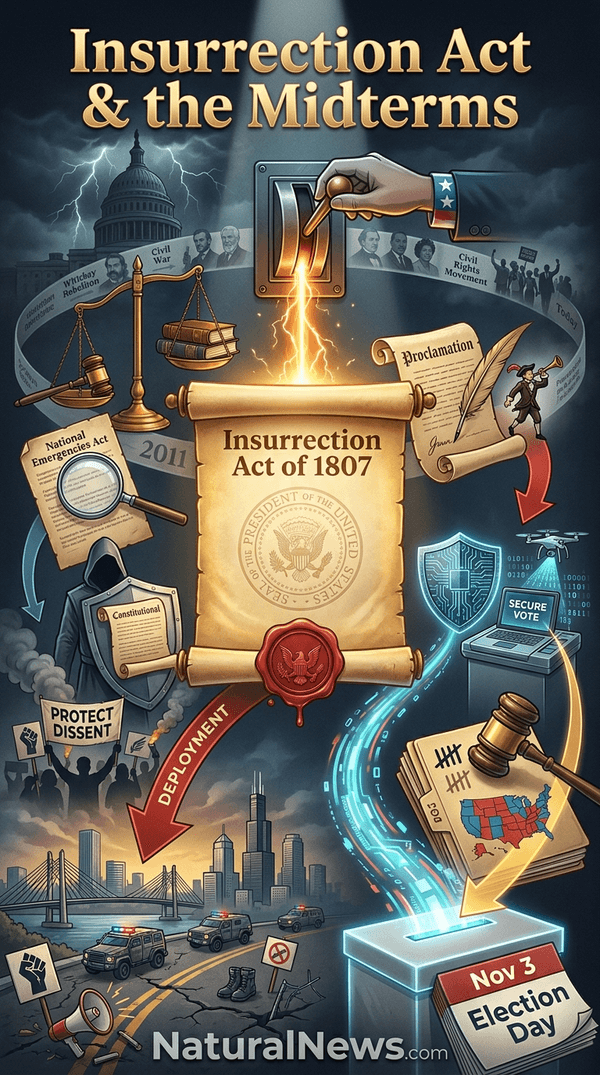
Explainer Infographic
Submit a correction >>
Tagged Under:
America, chaos, civil unrest, Collapse, current events, deception, freedom, government, insurrection, Midterm elections, politics, preparedness, survival, Trump, World War III
This article may contain statements that reflect the opinion of the author
RECENT NEWS & ARTICLES